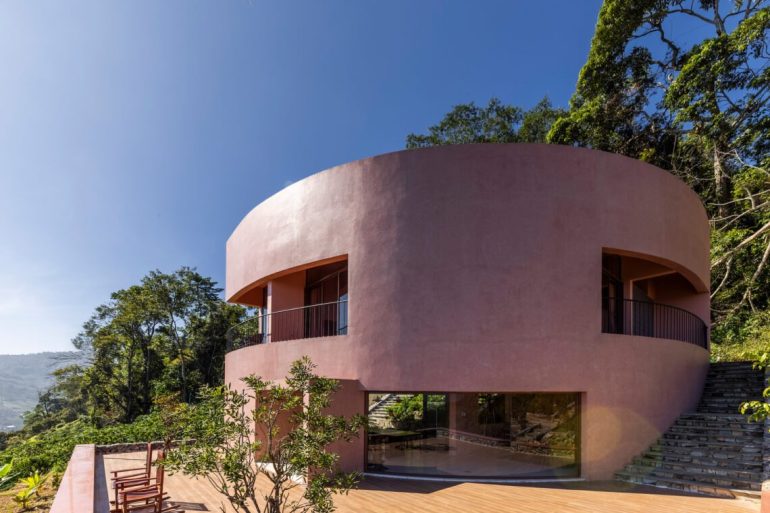
Chashitsu & Pottery Pavilion
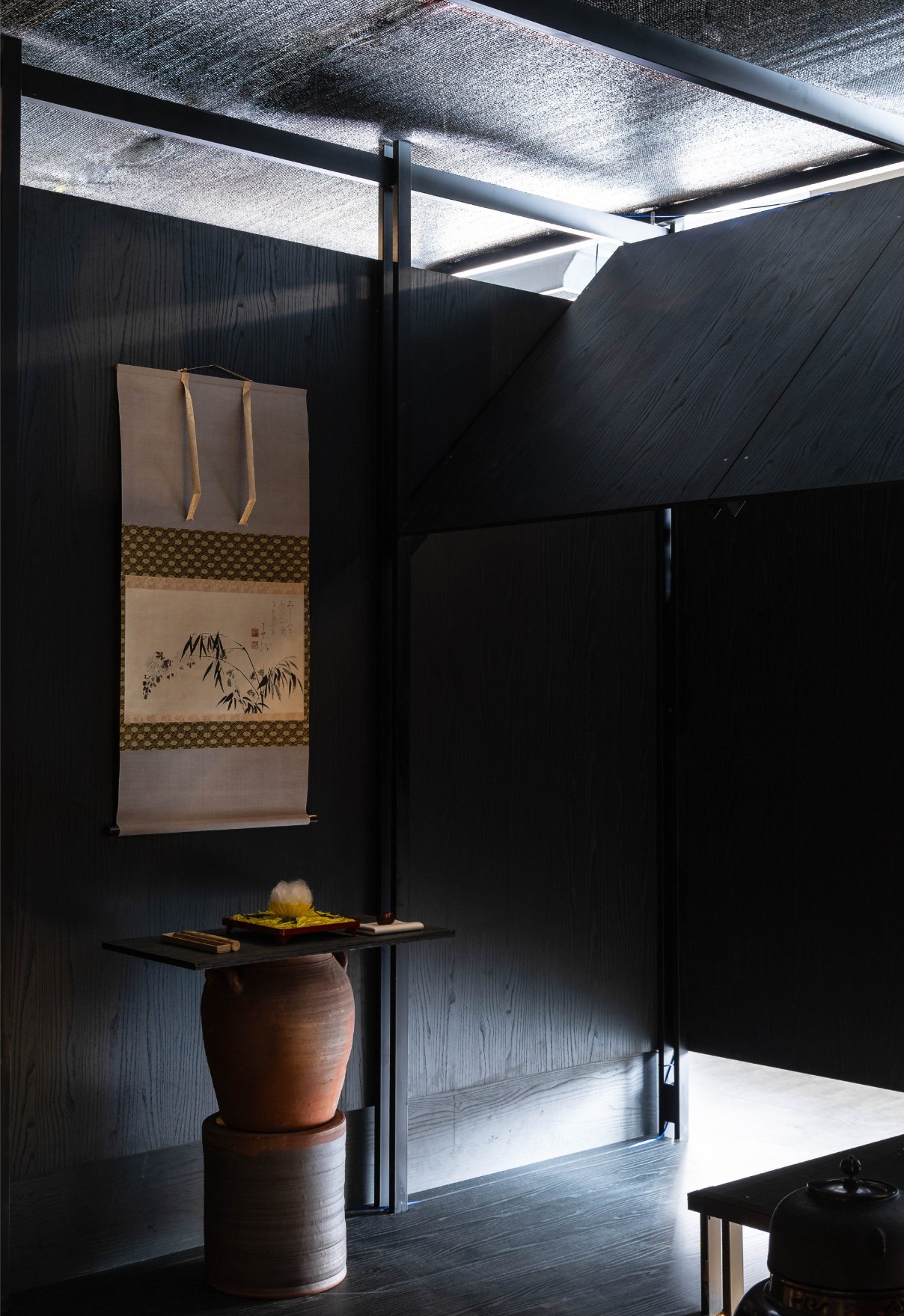
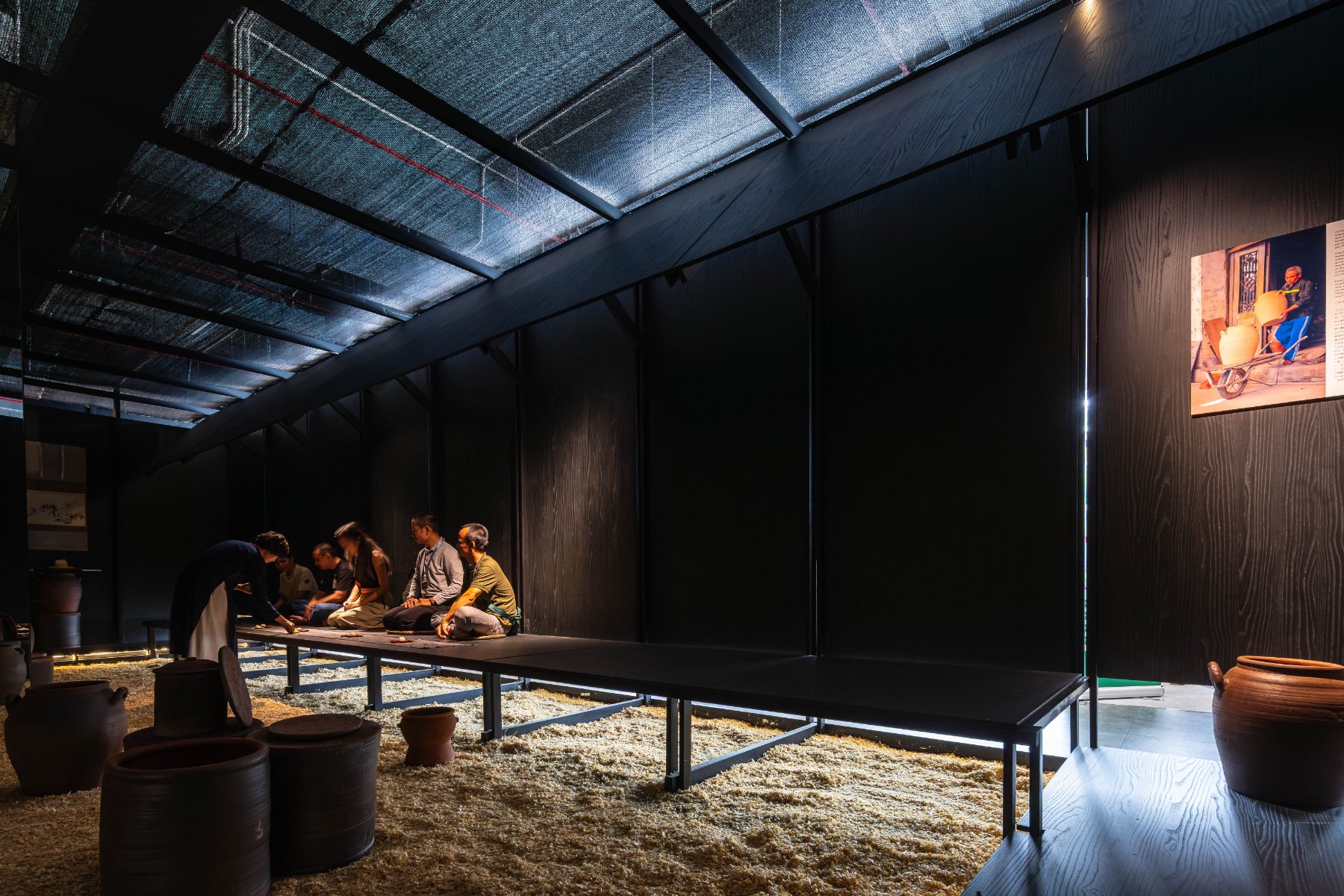
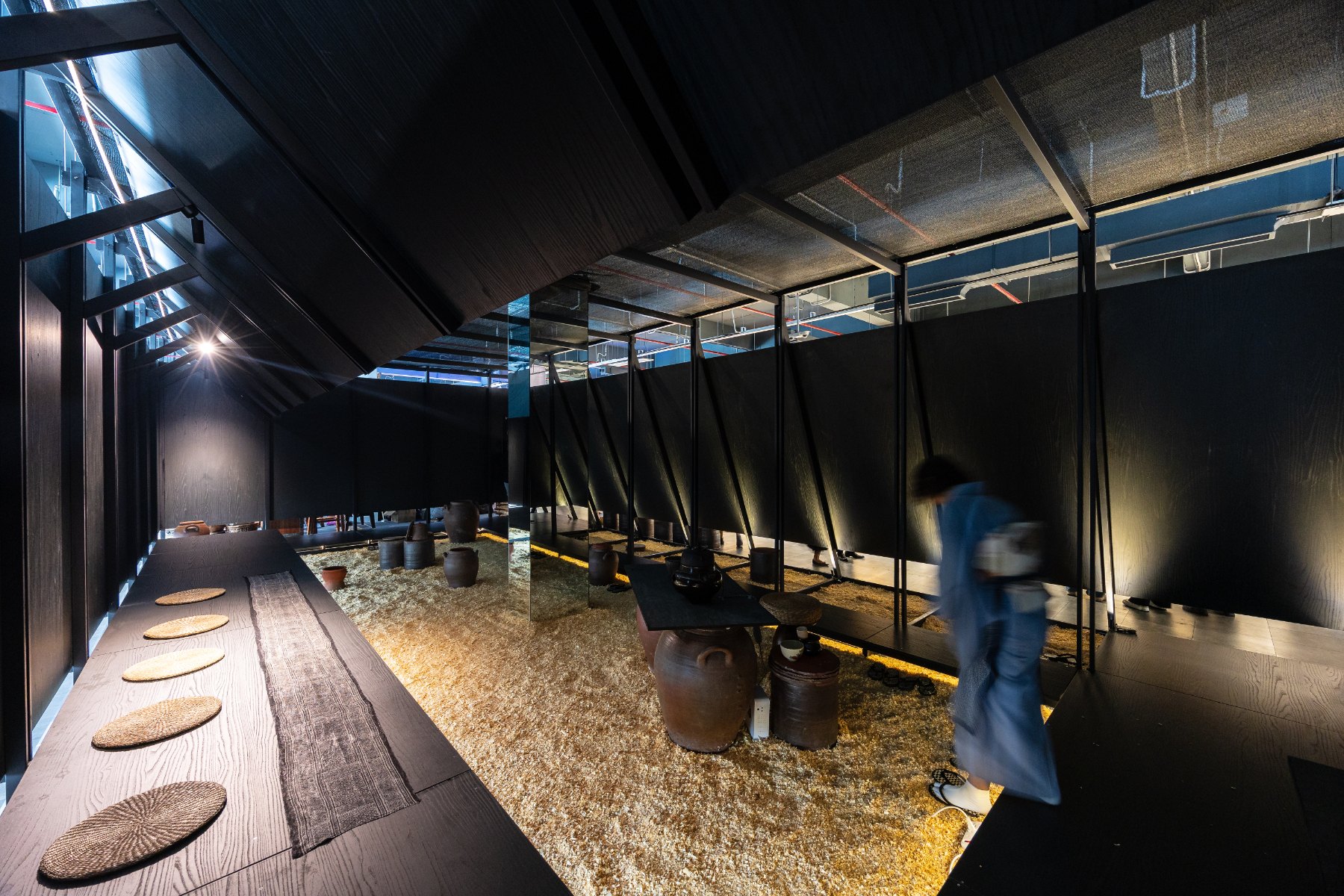
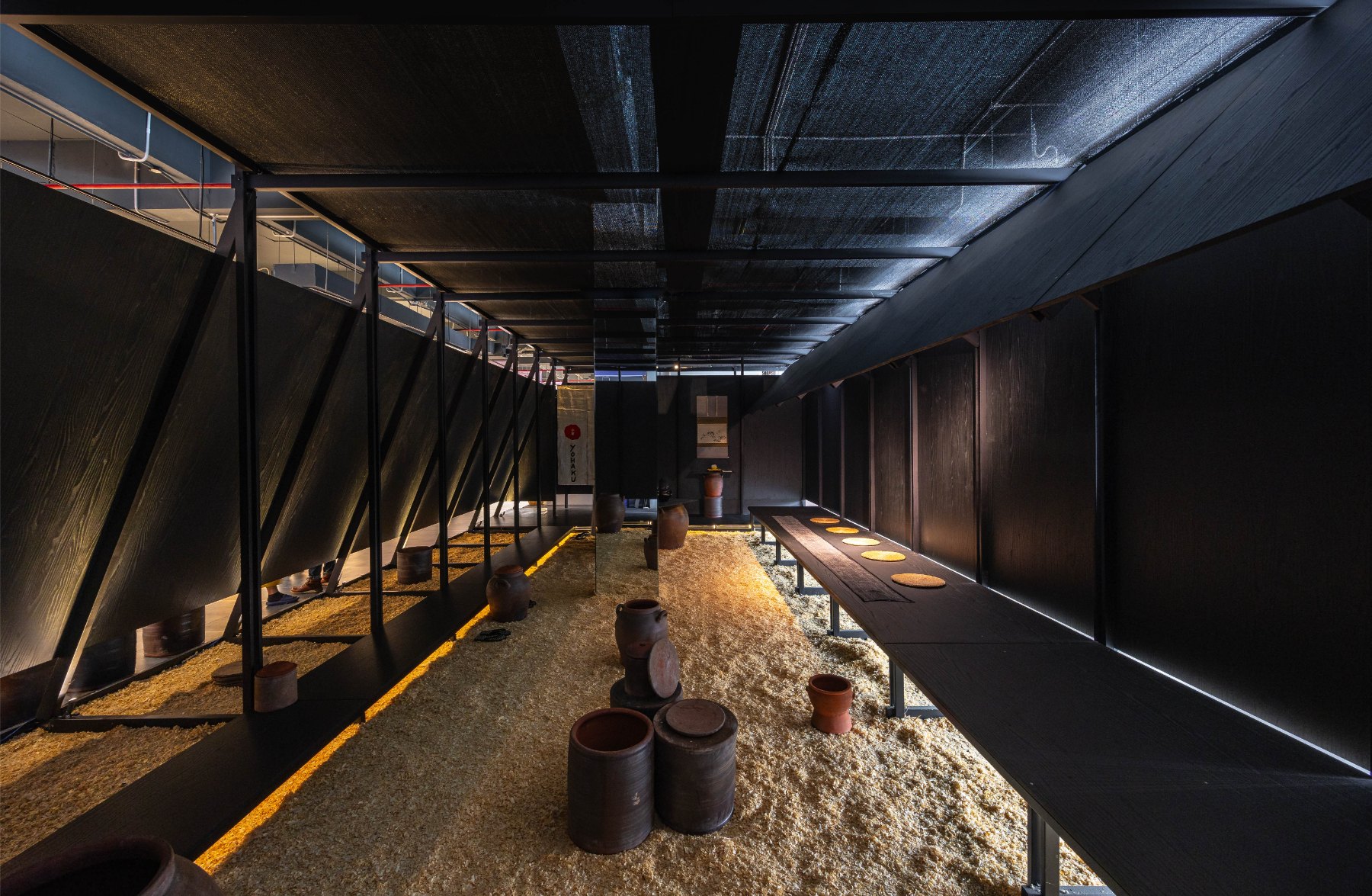
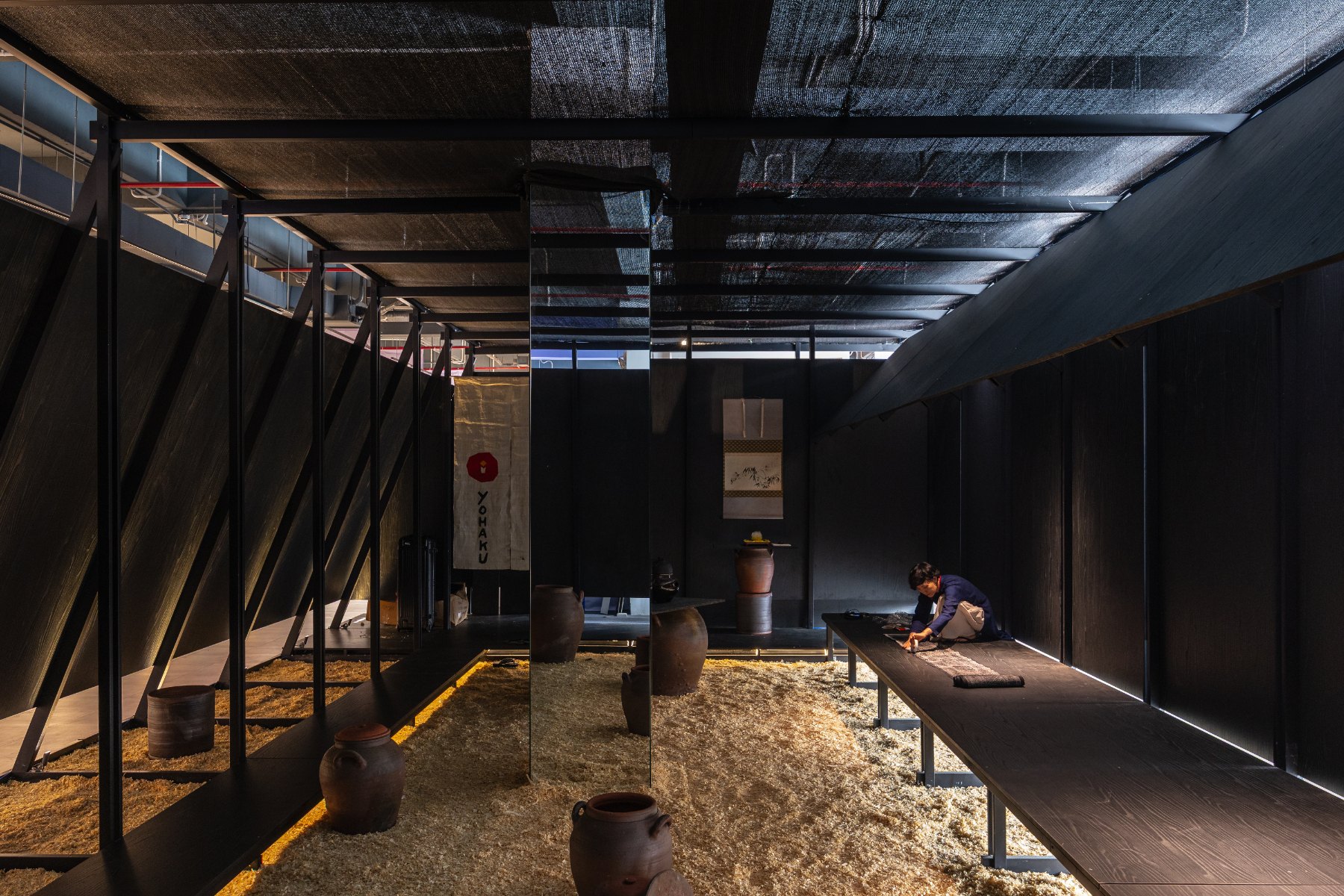
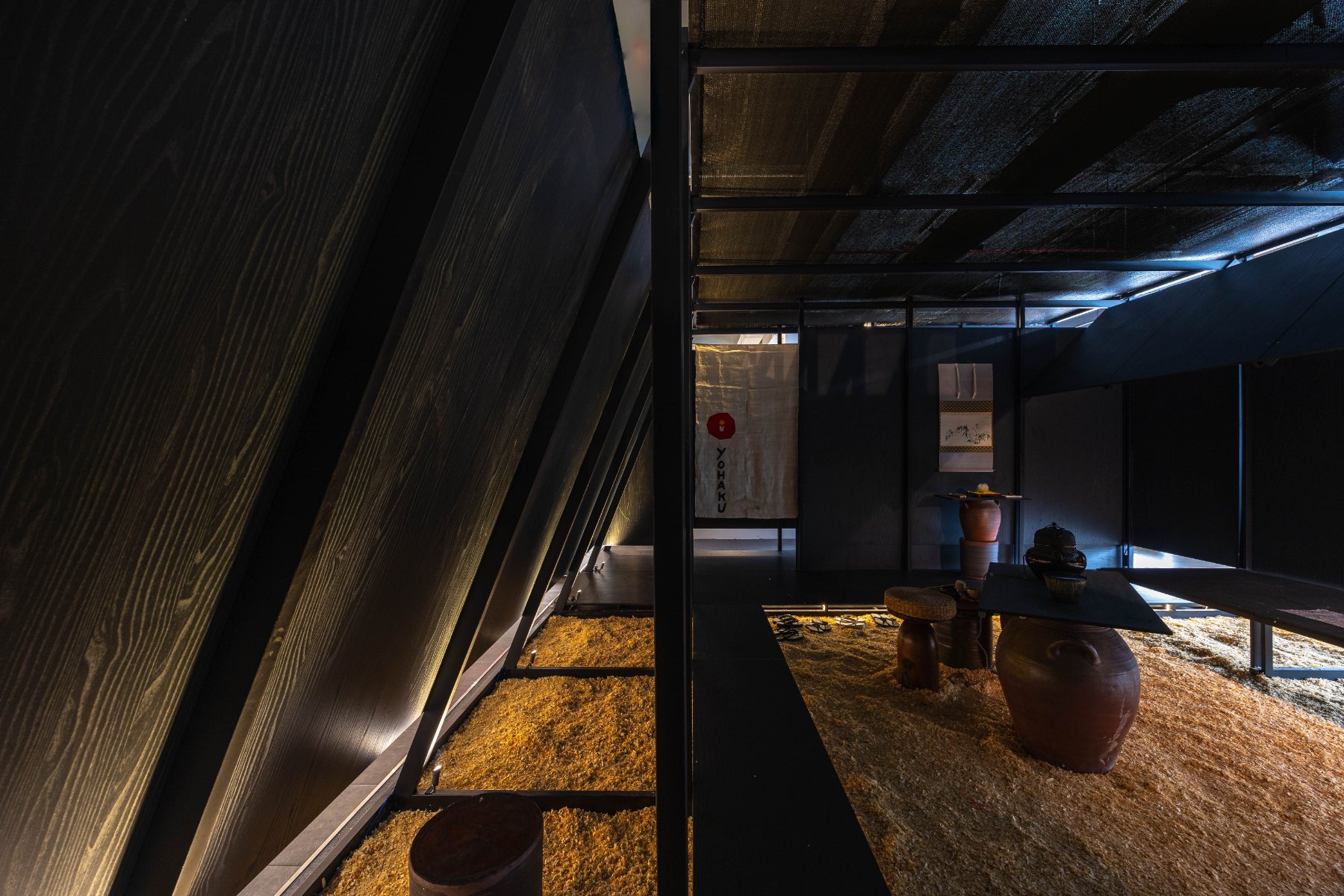
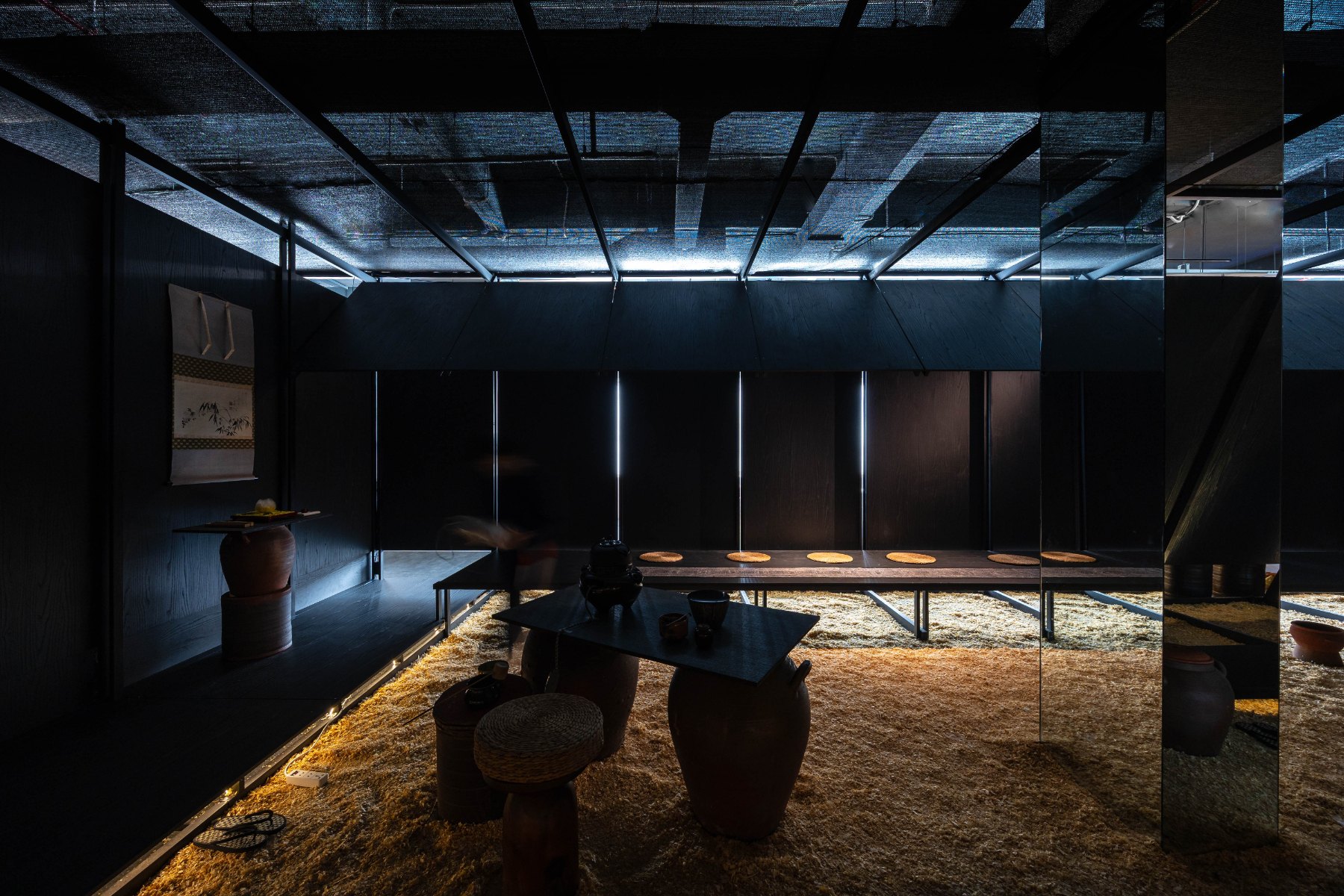
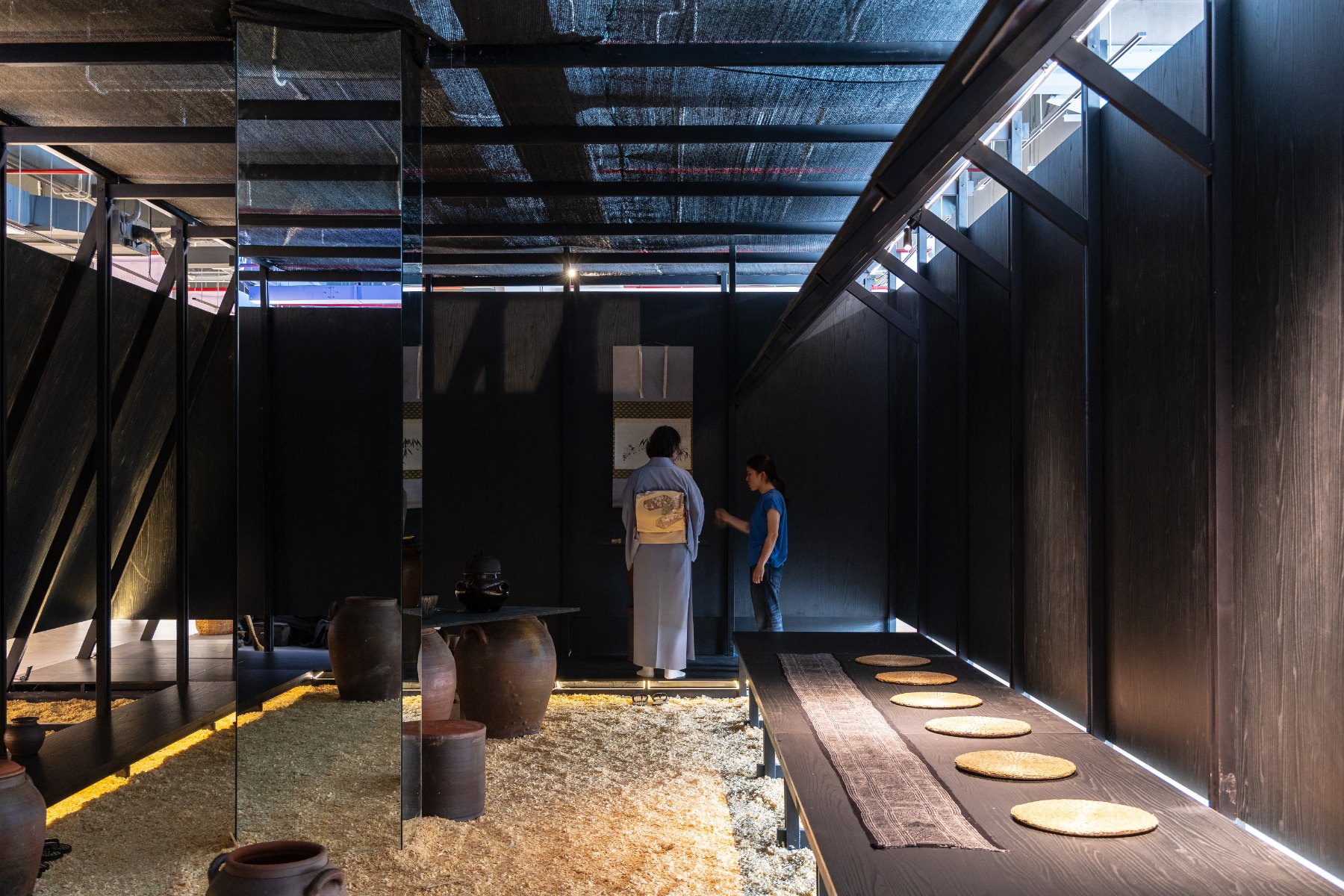
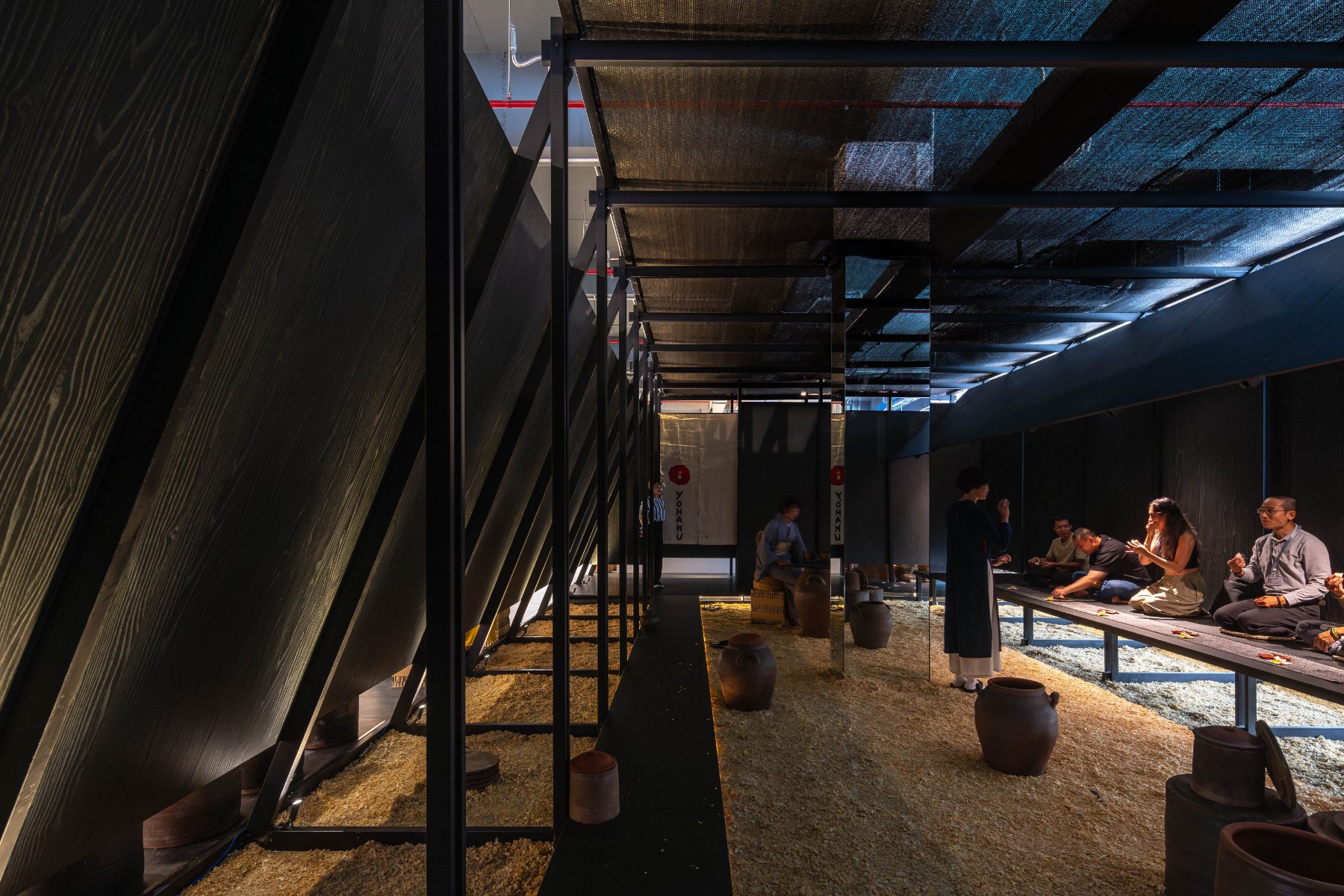
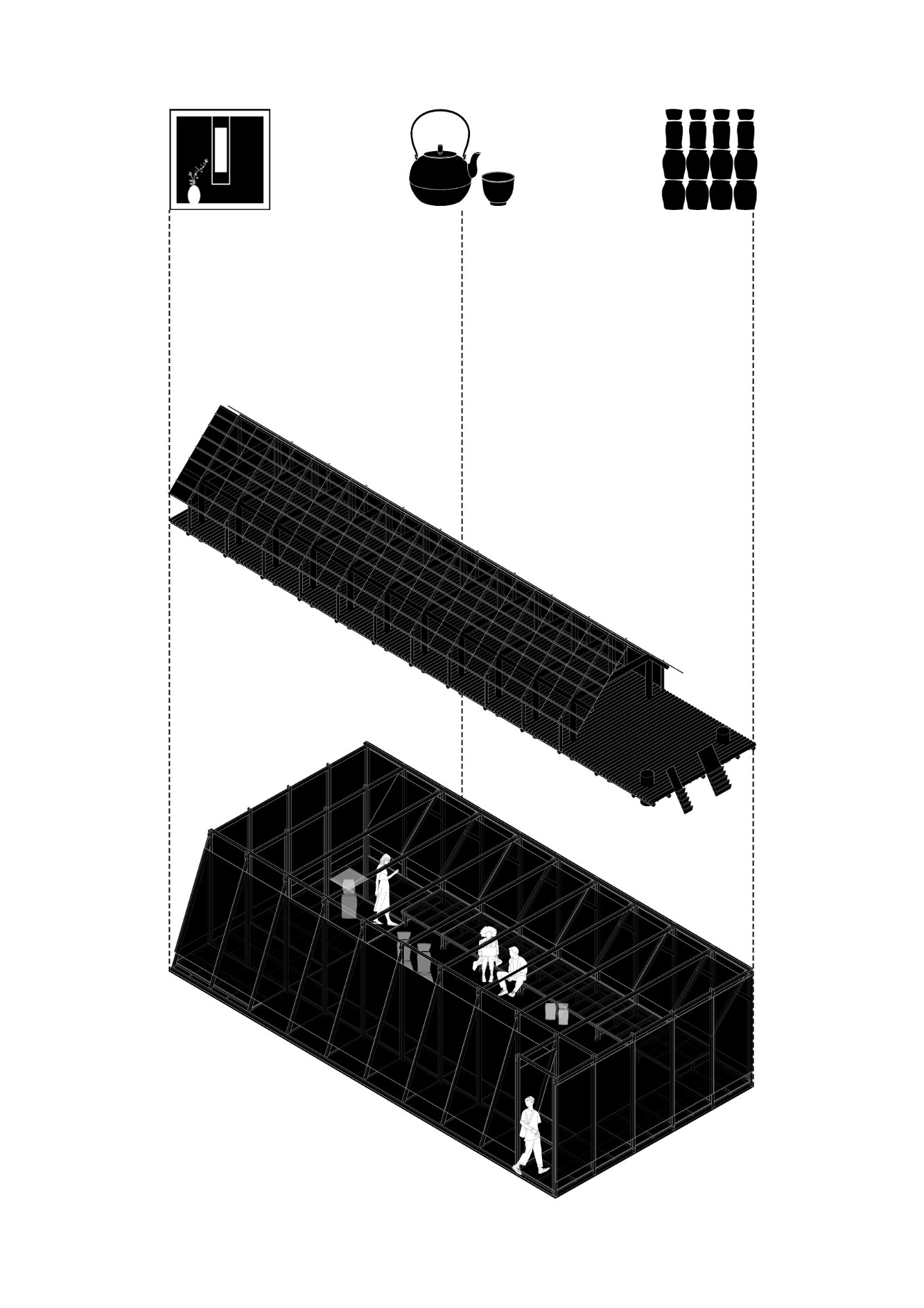
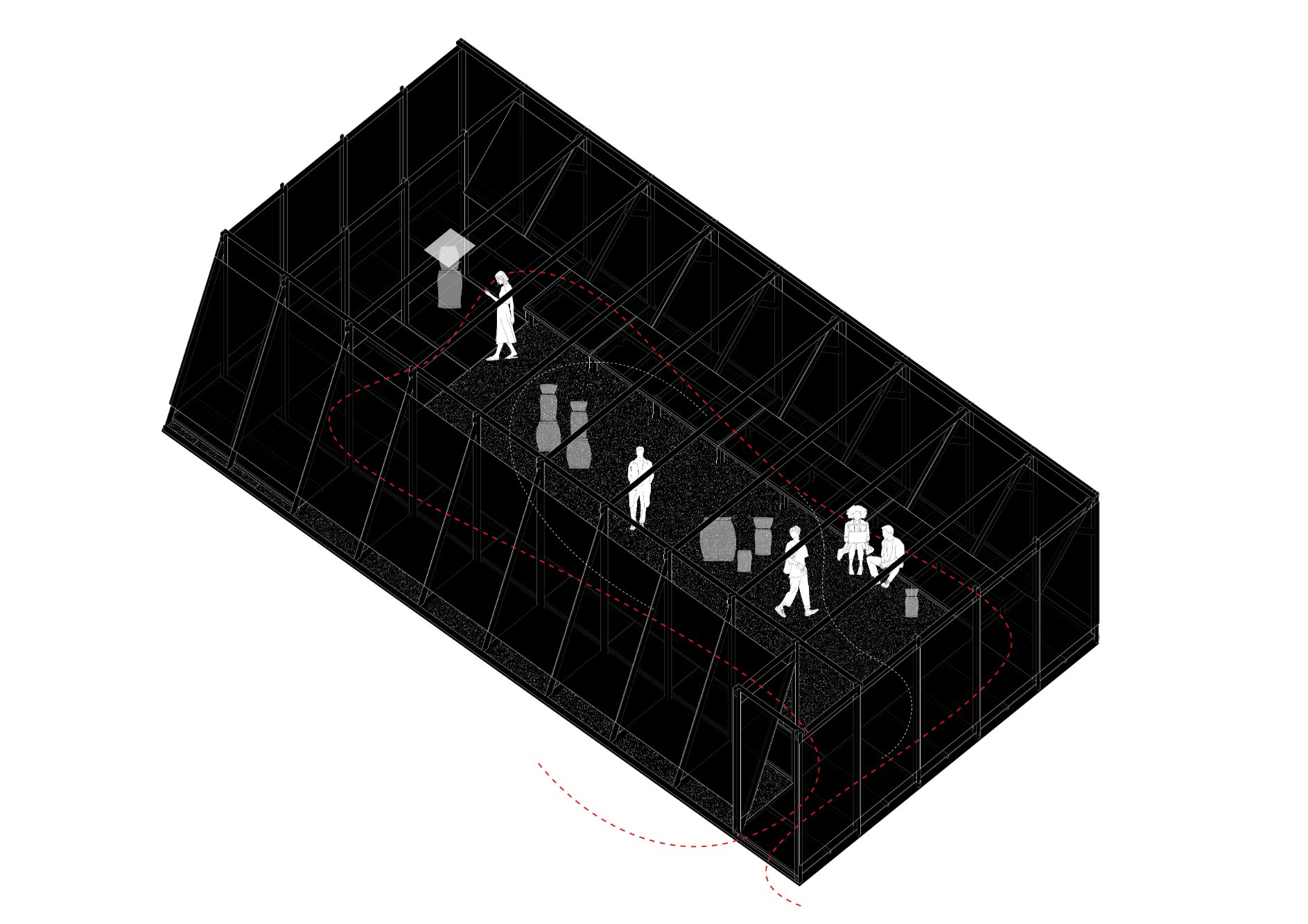
The Chashitsu & Pottery Pavilion is a 70 m² installation made to show old ceramics and to give the Japanese tea ceremony a place to be practised. Its form comes from the longhouse of the Êđê people, a communal building centred on the k’pan, a long bench tied to ritual, ceremony and teaching.
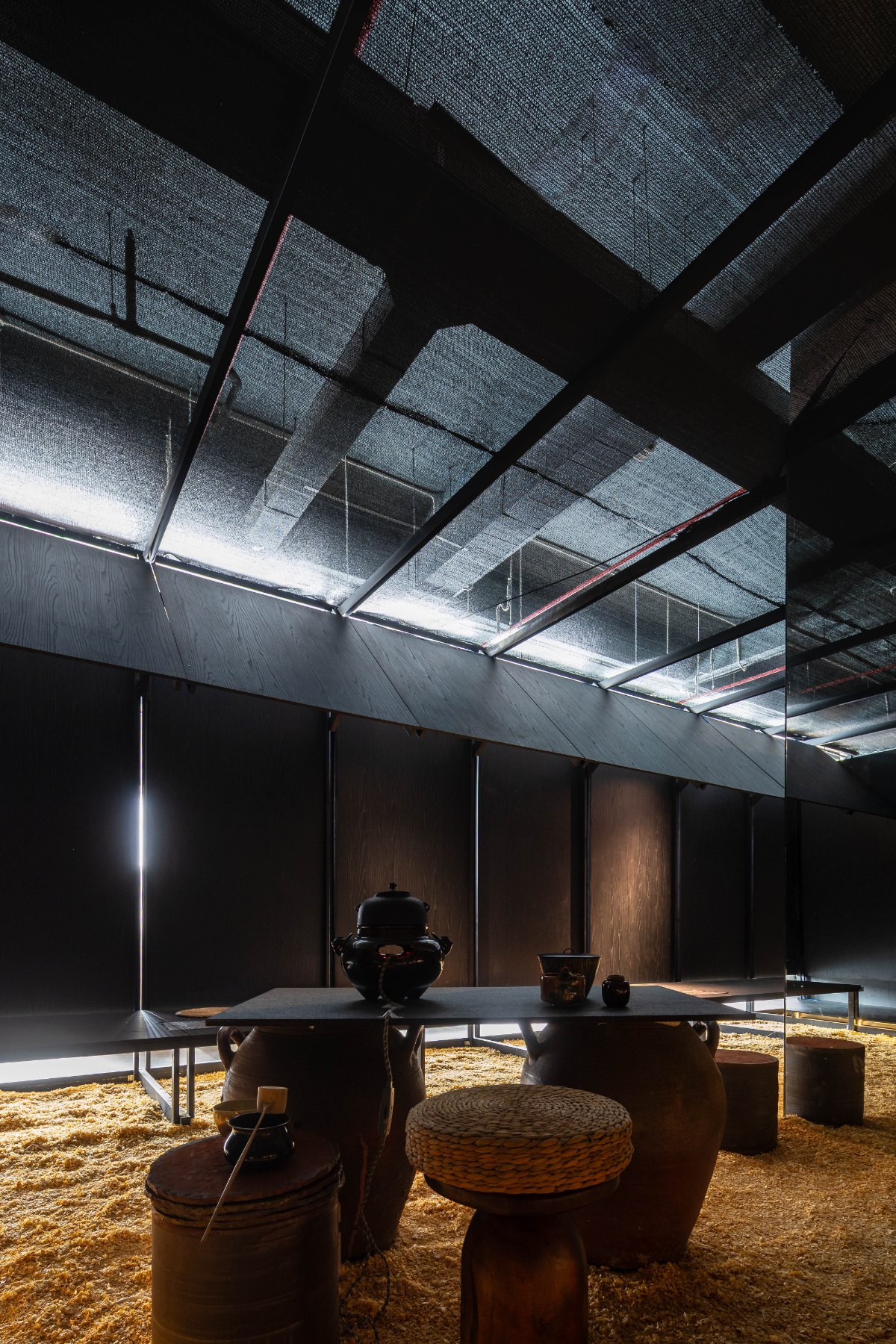
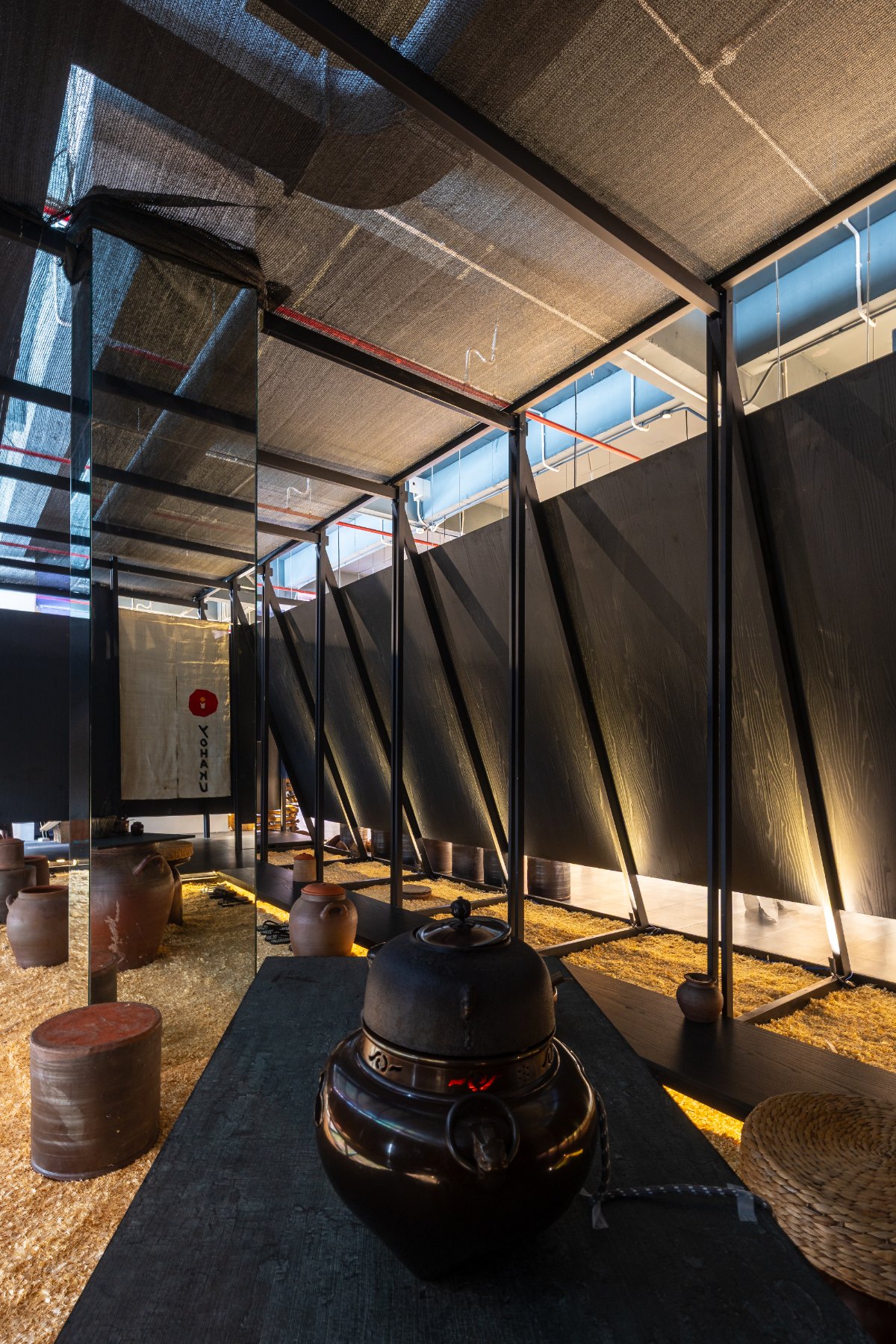
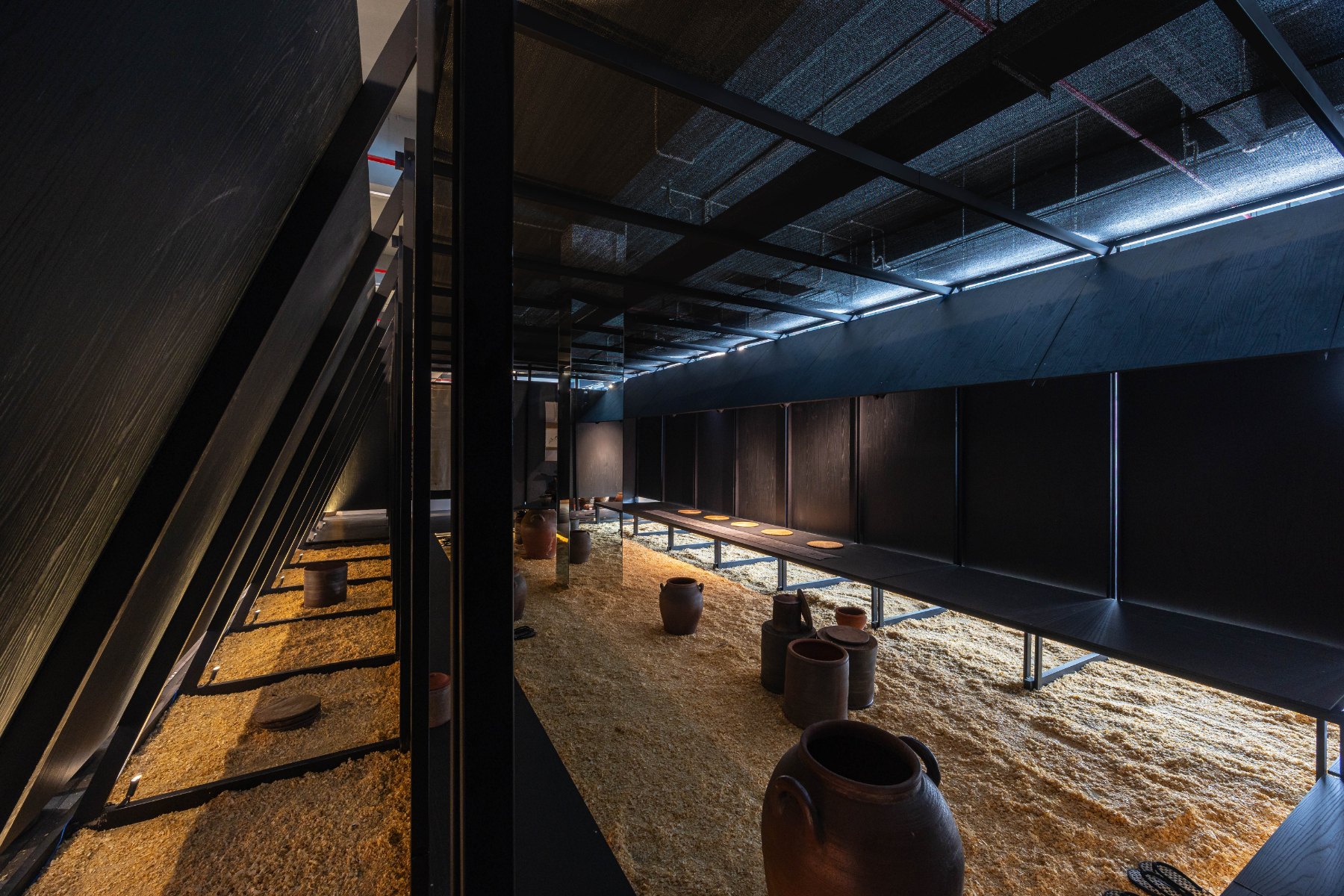
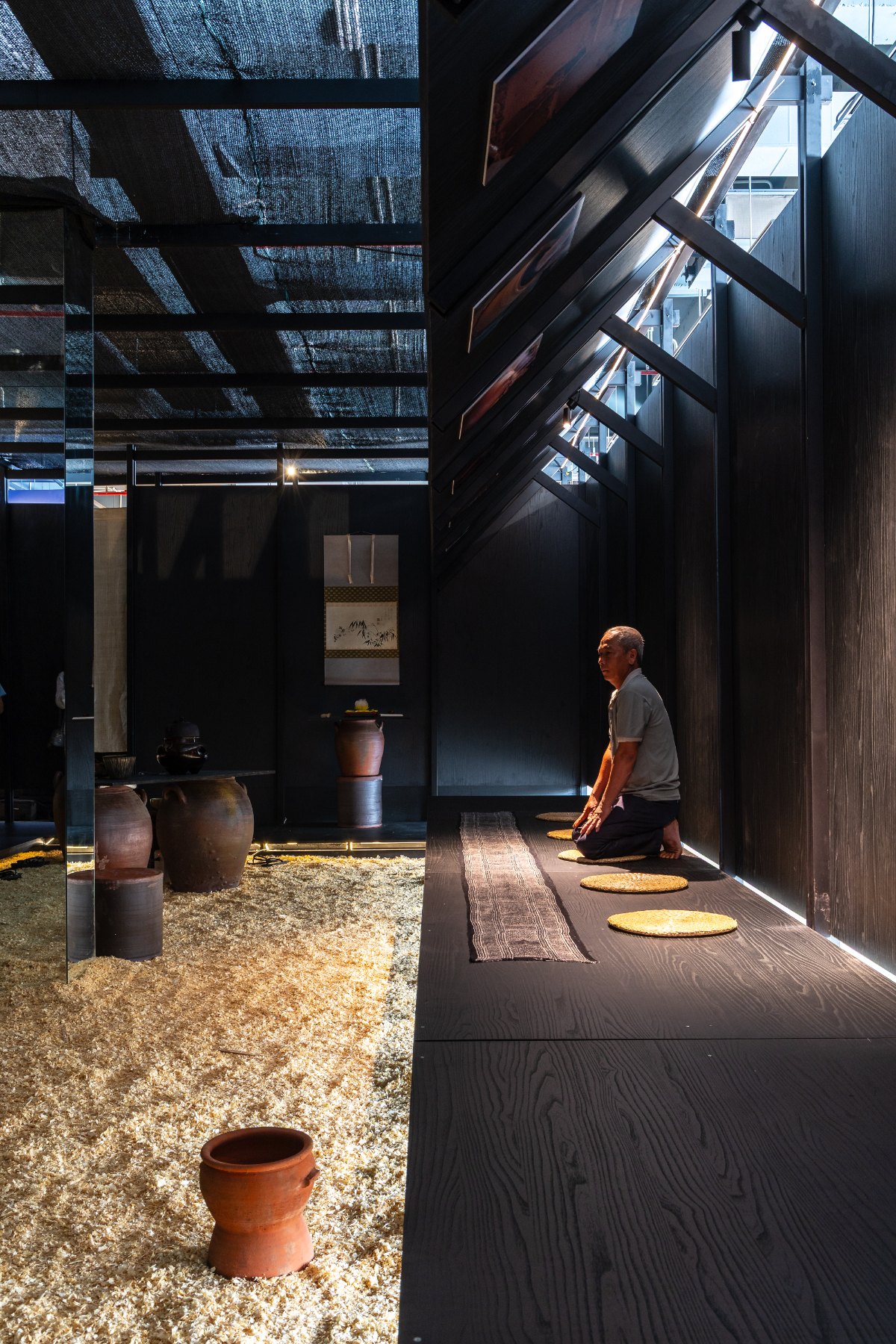
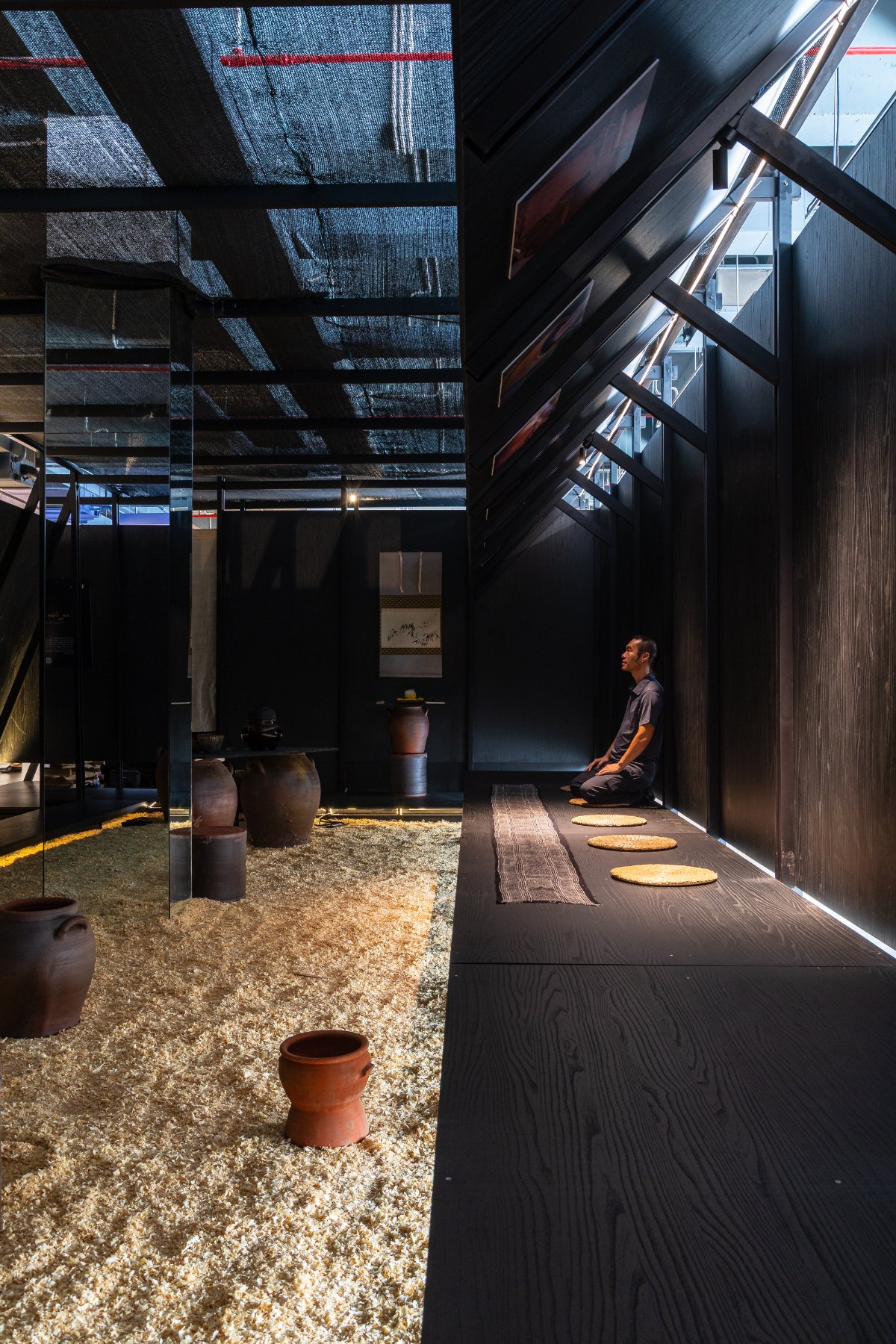
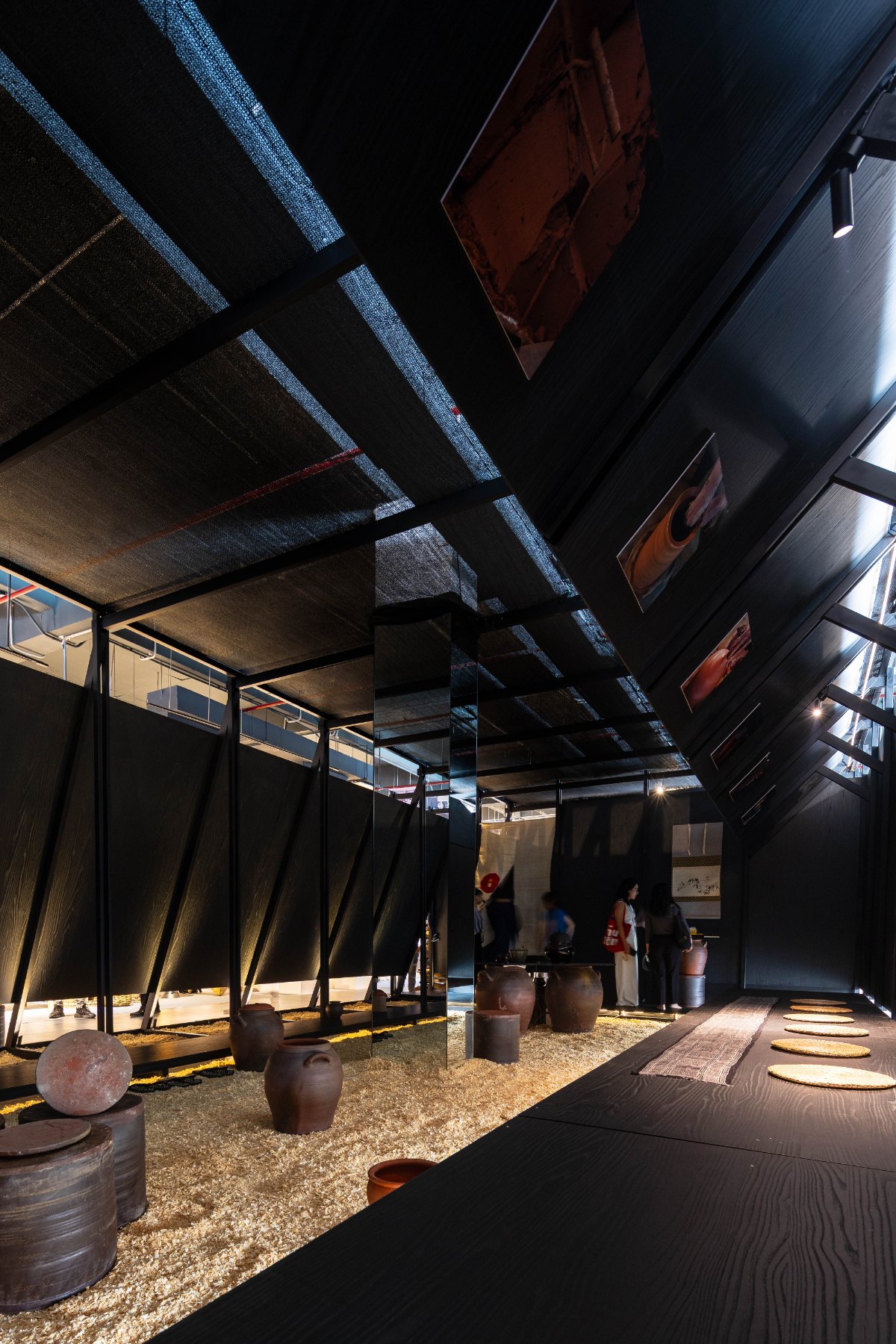
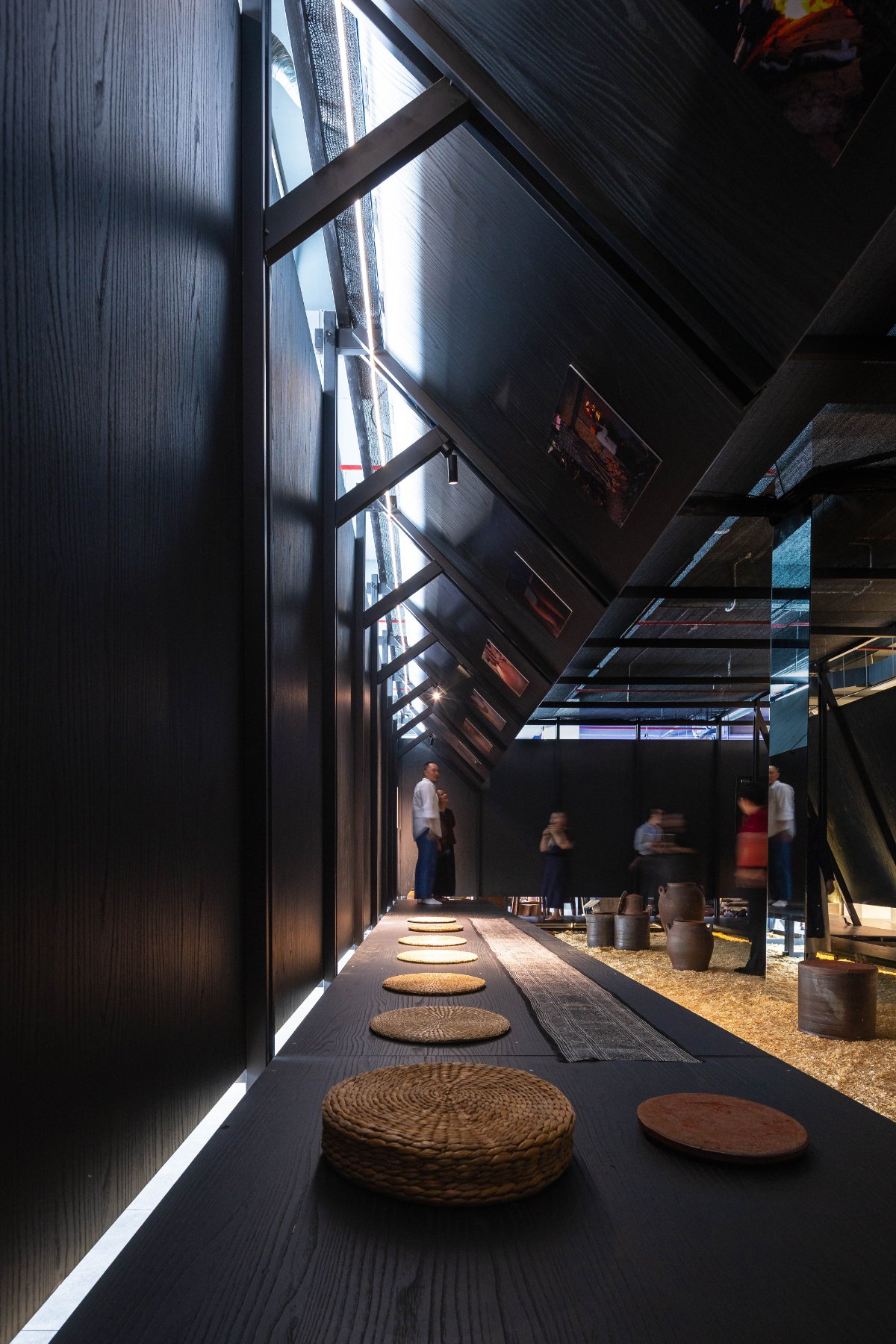
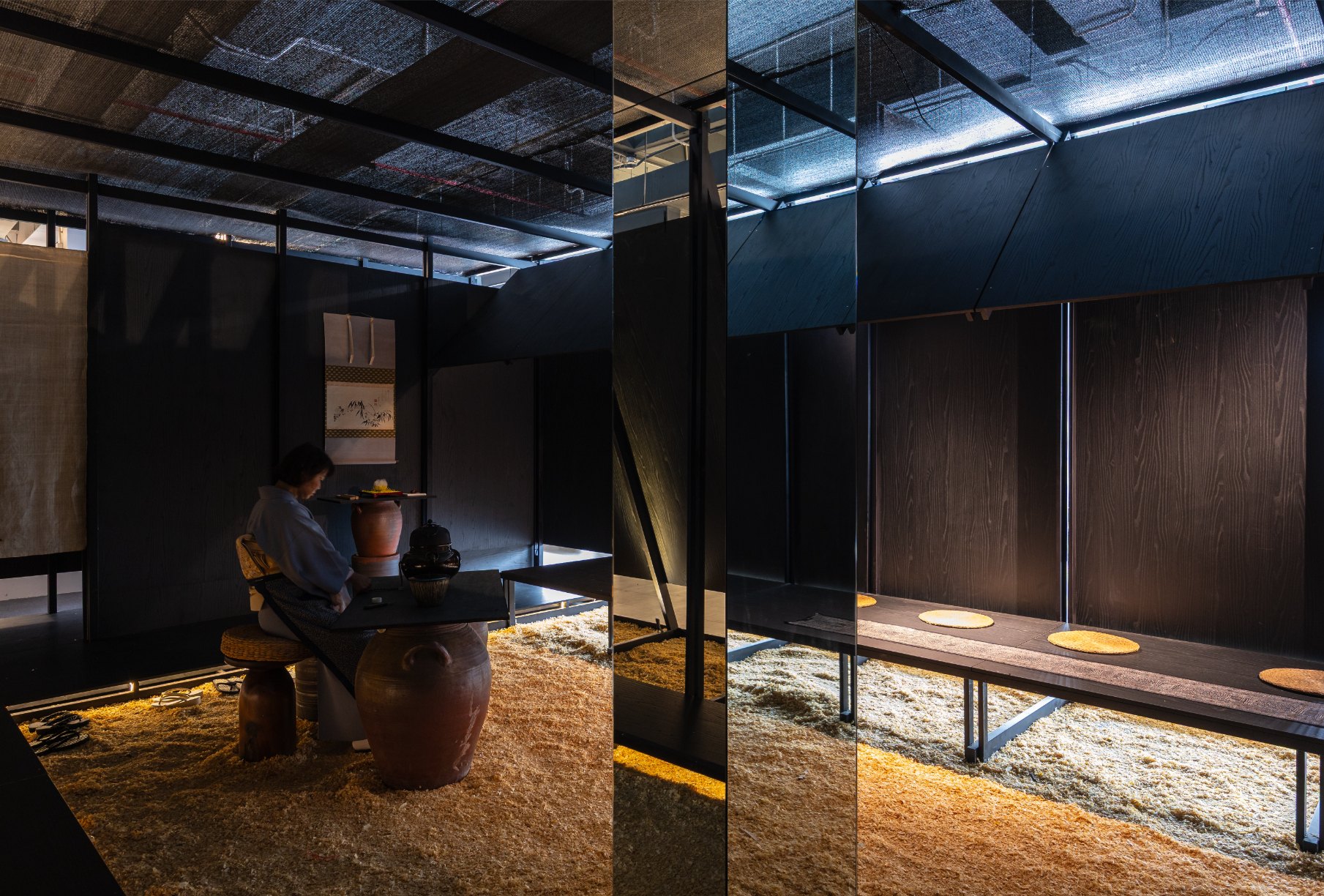
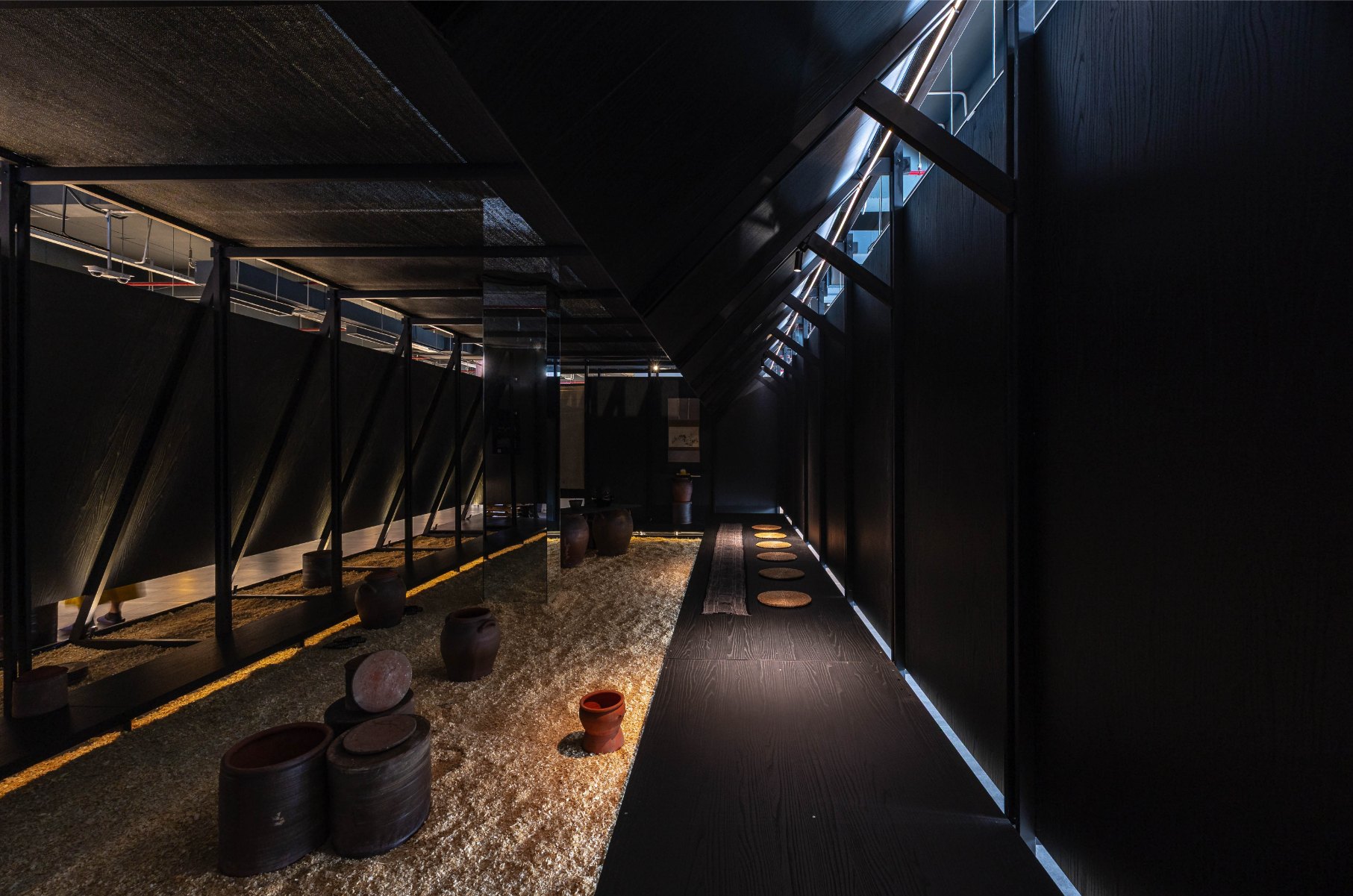
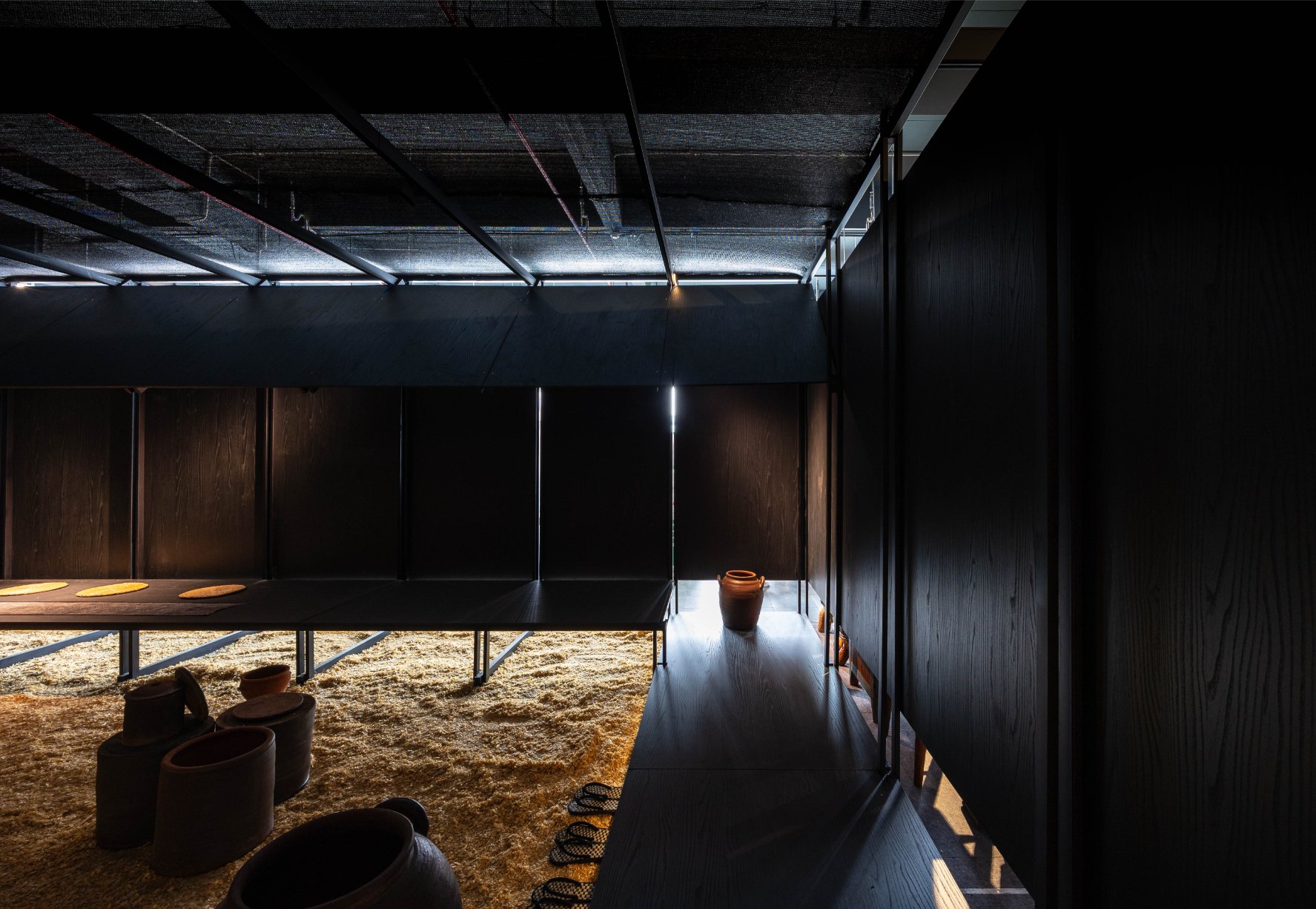
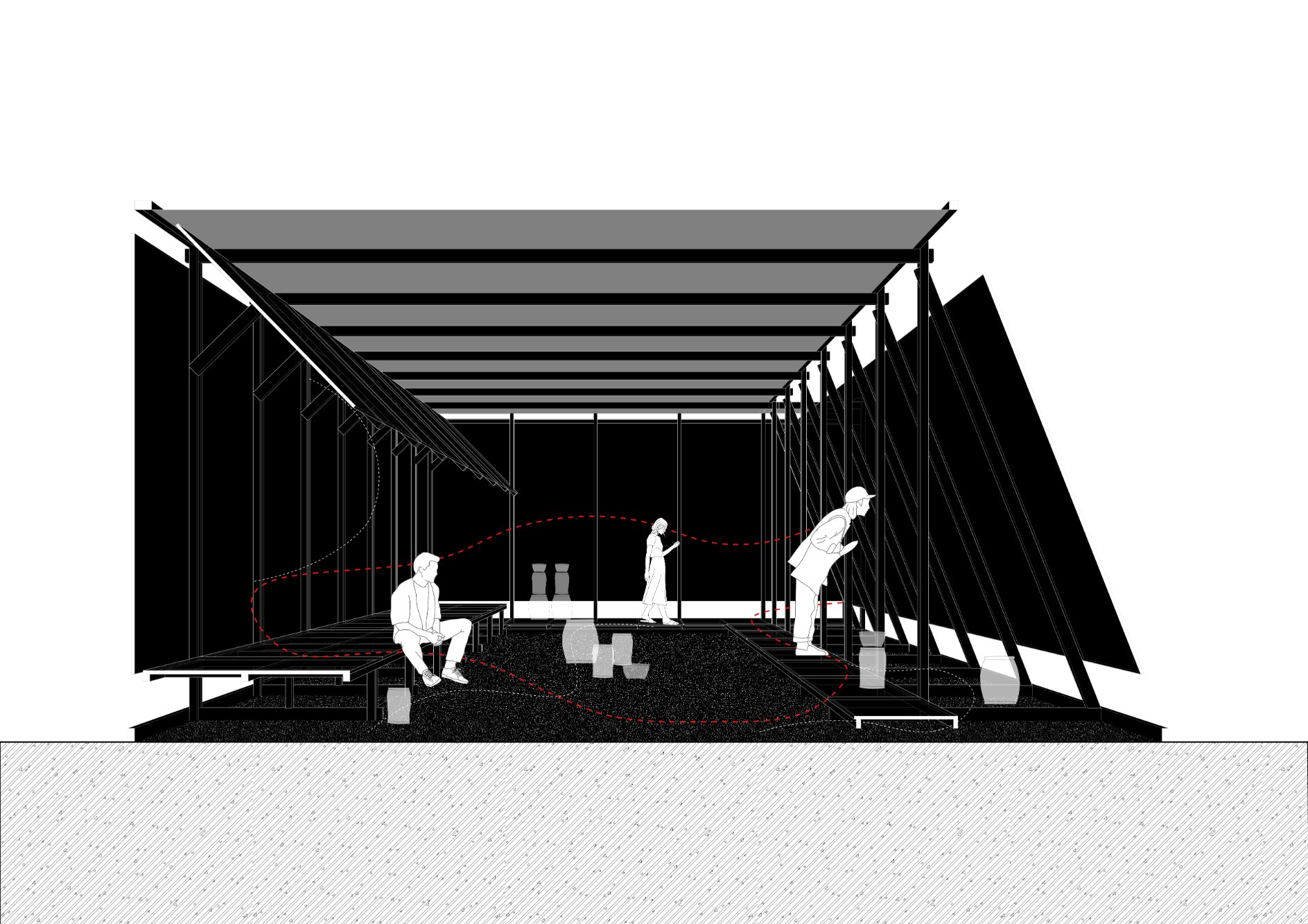
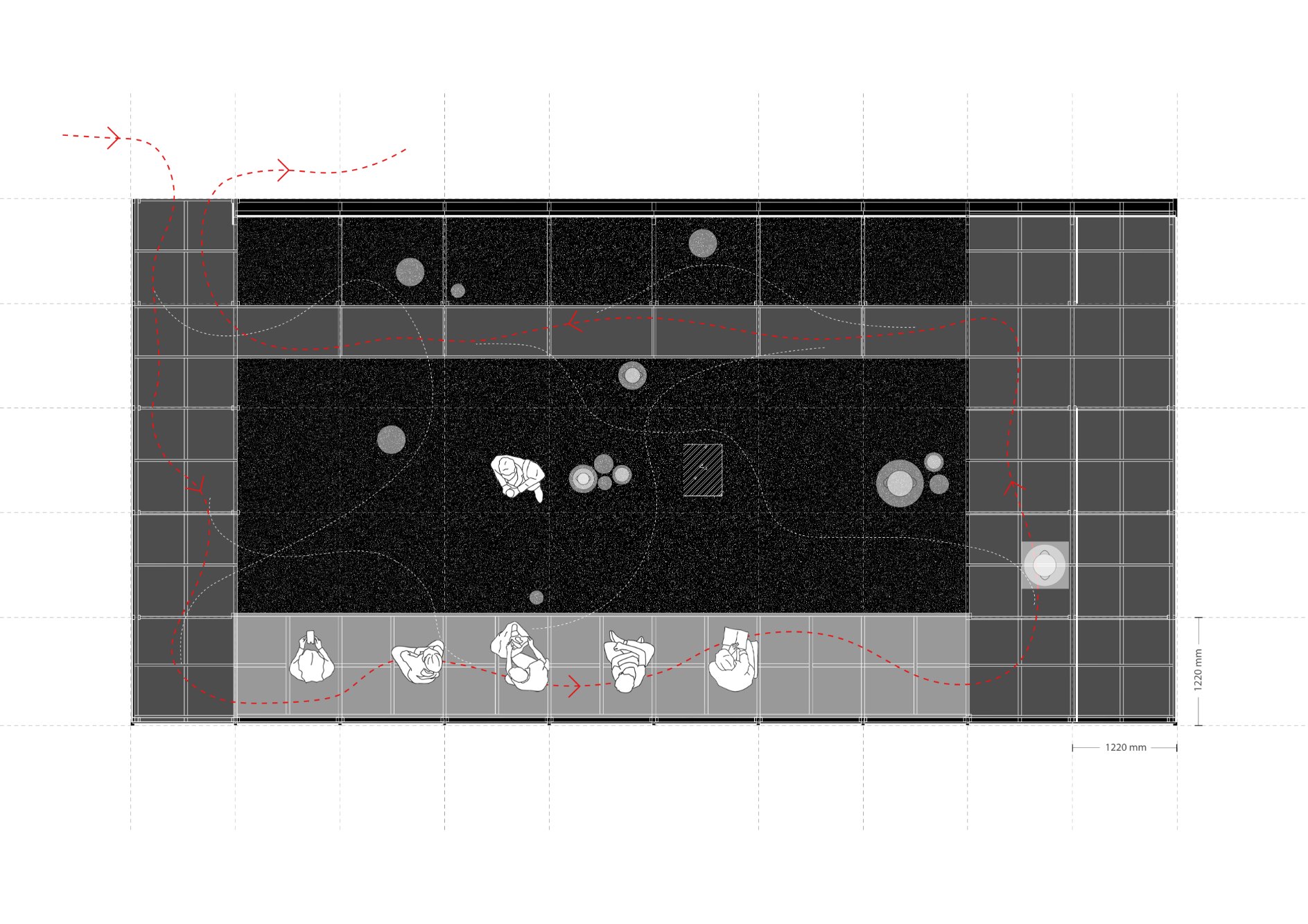
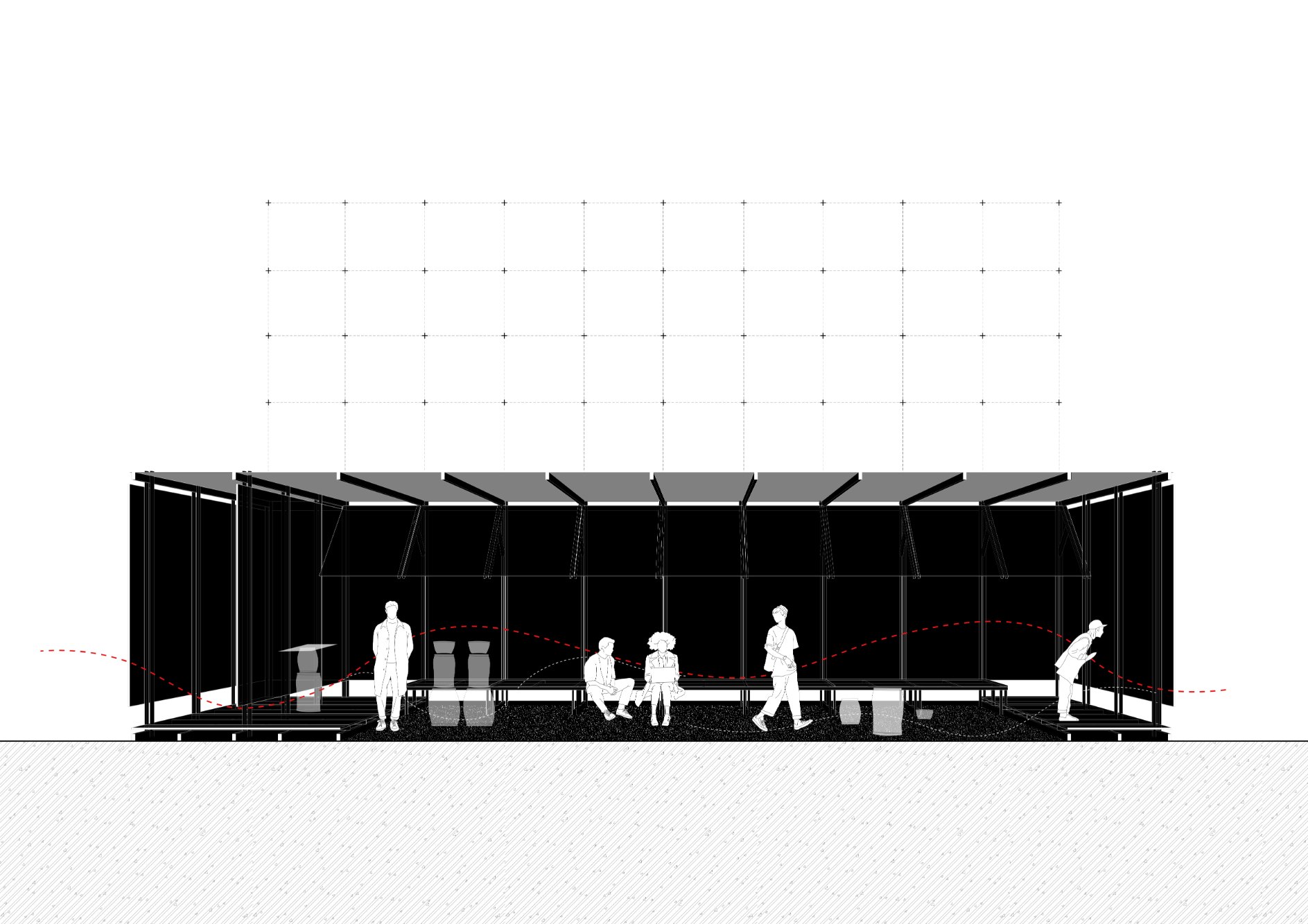
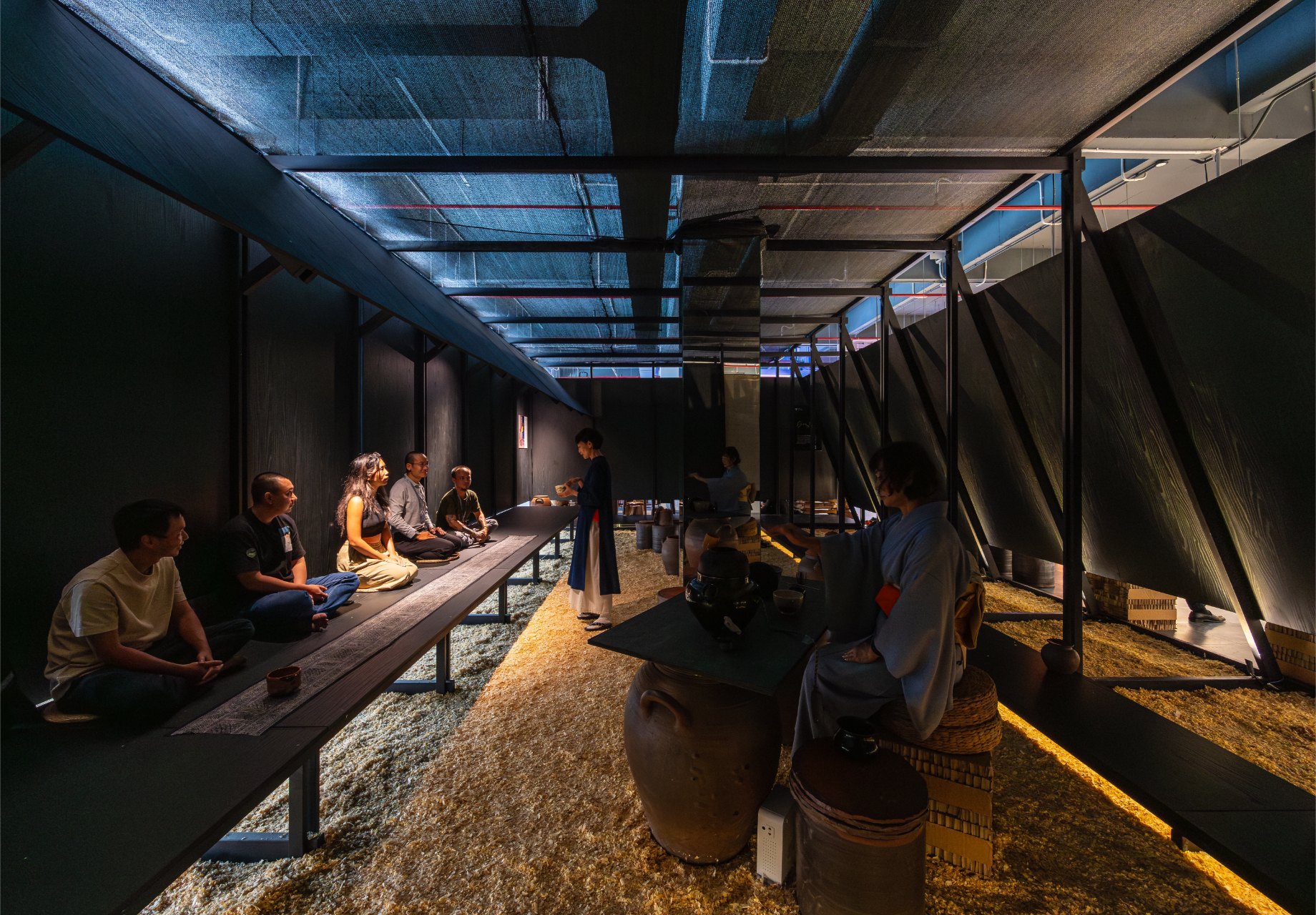
That bench becomes the spine of the pavilion: a linear corridor that is also where visitors rest and drink tea. The designers treated the space less as an exhibition room than as a sequence in which architecture, craft and ritual meet. The footprint is small, but the long route slows people down and lets the pavilion work as both gallery and gathering place.
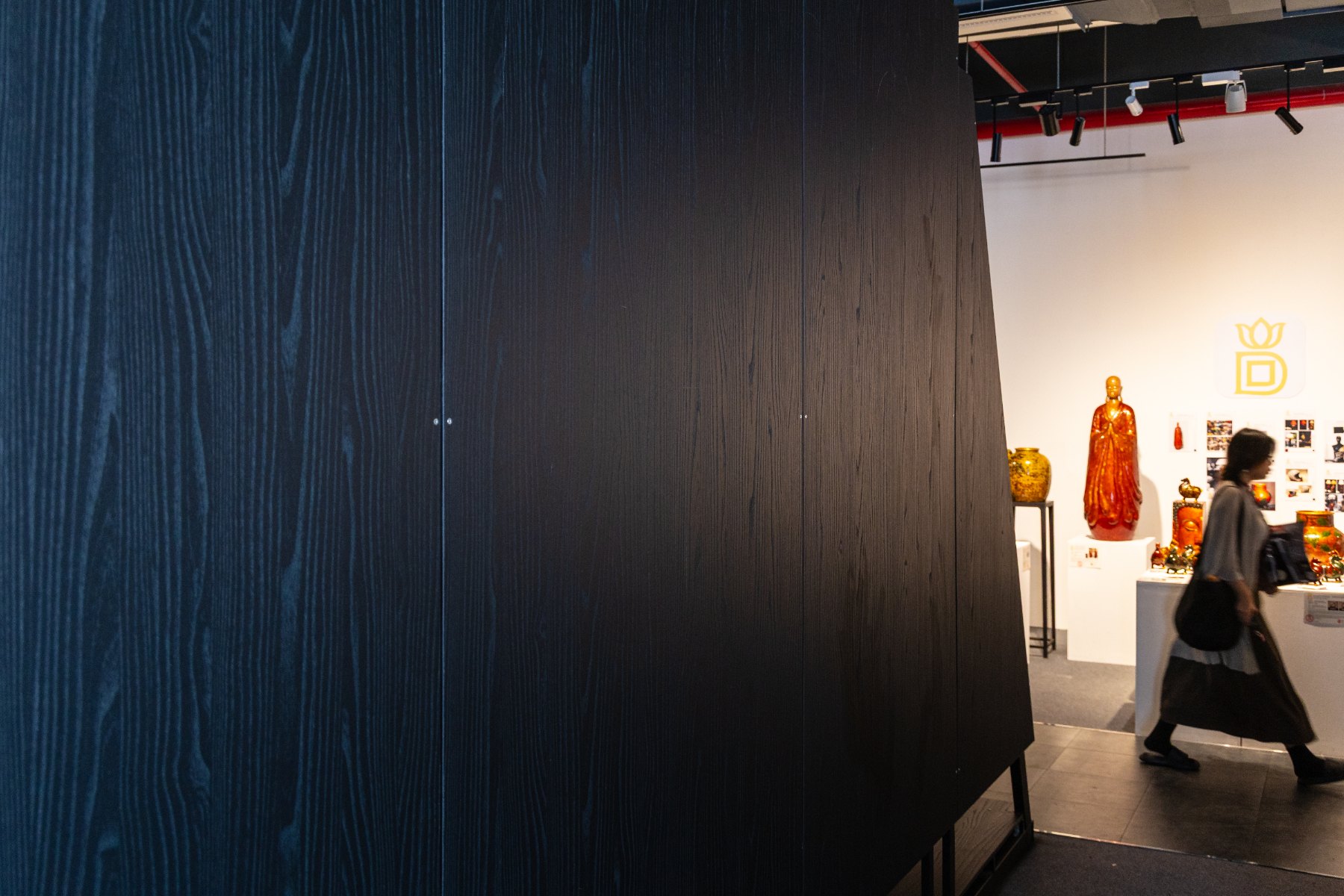
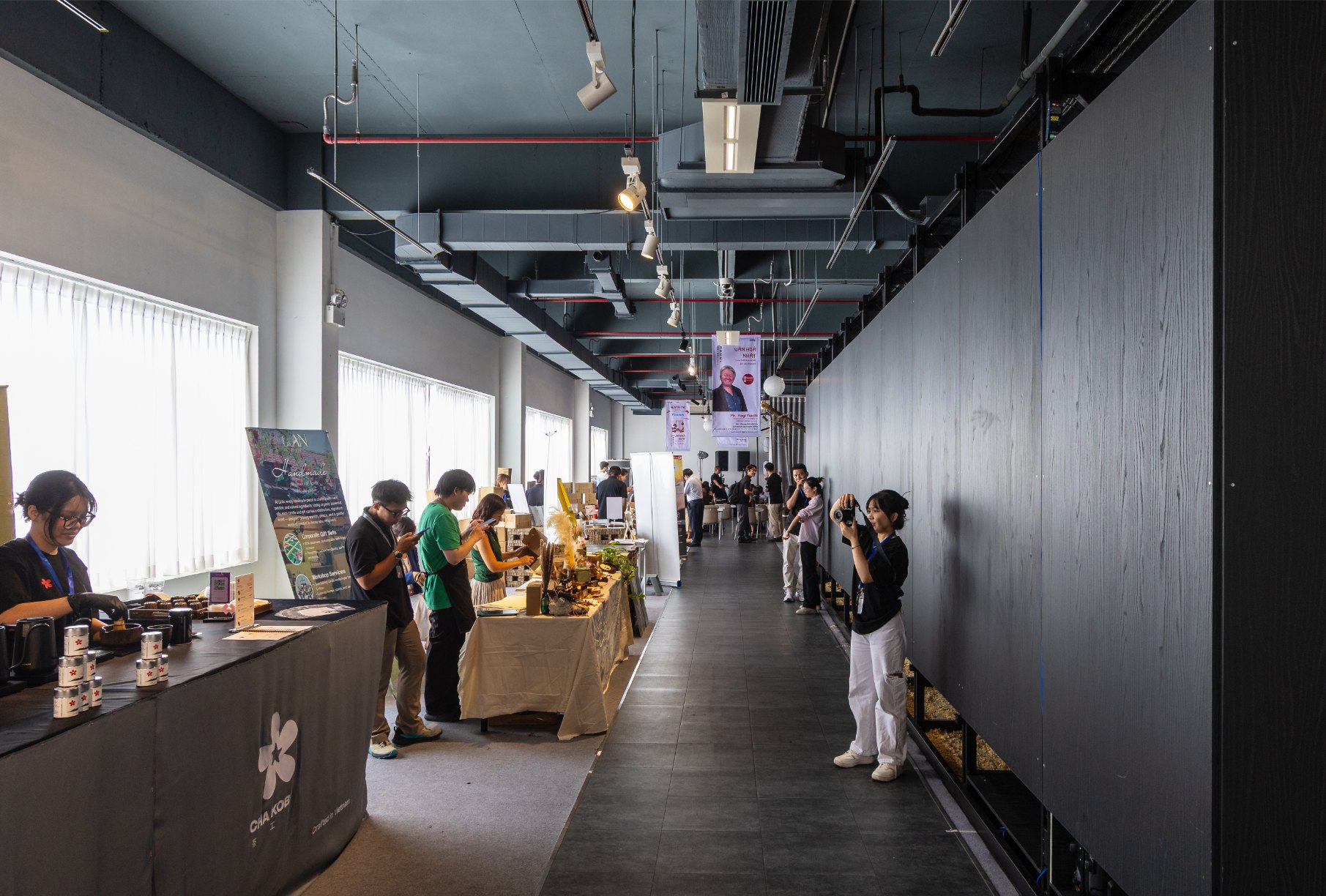
The palette is held back so the objects can speak. Black-finished engineered wood panels form a muted backdrop, and light enters through narrow slits, recalling the inside of a ceramic kiln in one of the country’s oldest pottery villages. Images showing clay turning into ceramic hang from the ceiling, adding a layer of craft knowledge to the walk.
Jars and vats are put to new use as tables, seats and storage for the tea ceremony. Fired-earth vessels made for daily life here find a second role in another culture’s ritual, and the two traditions meet through shared material.
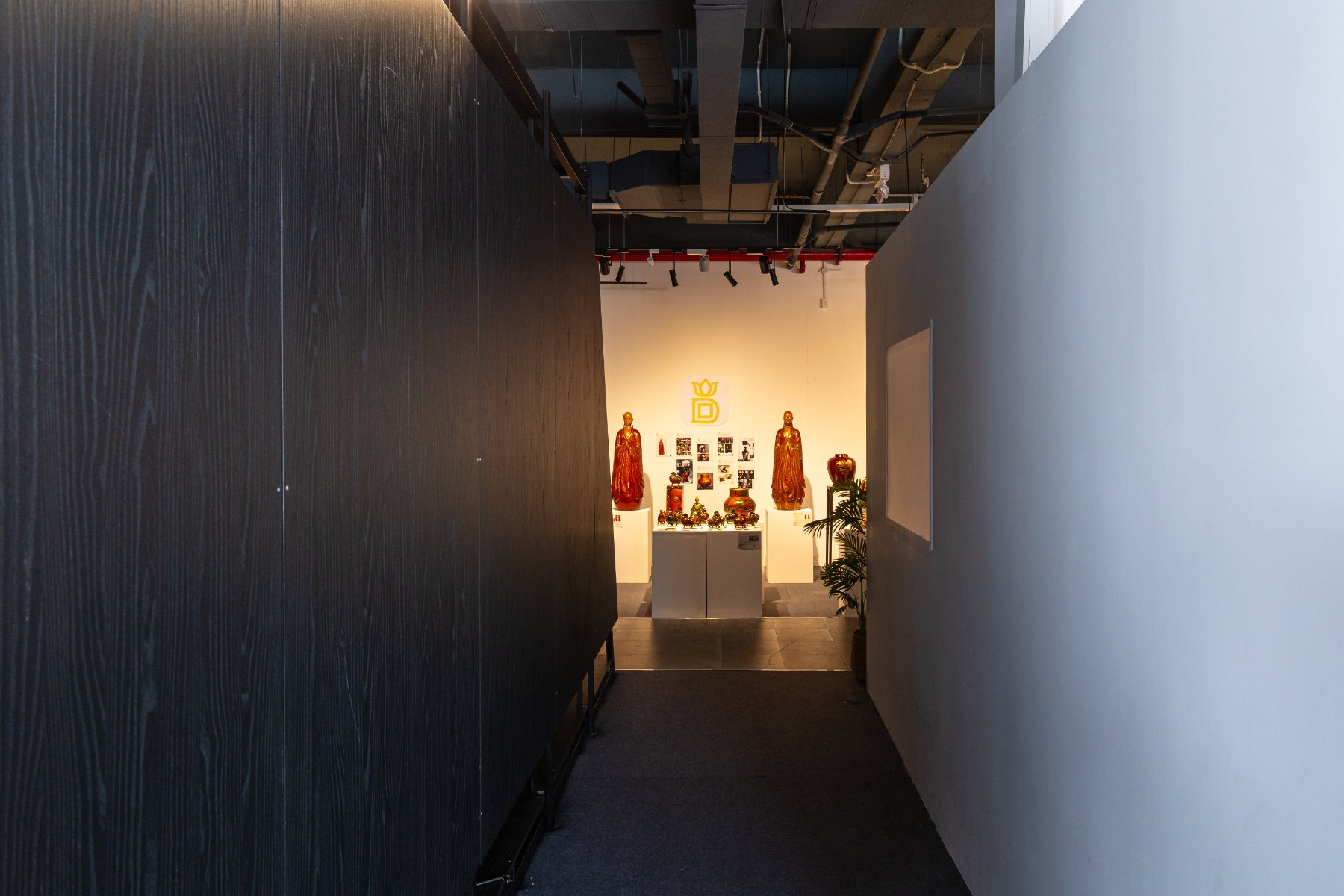
The pavilion was conceived as a response to the decline of the craft villages, which face growing pressure from industrial production and changing ways of life. It asks visitors to look again at the handmade object and at the history it carries.
Project Information
- Firm
- TOOB Studio, NOTES
- Area
- 70 m²
- Completed
- 2025
- Type
- Cultural, Installation, Pavilion
- Material
- Ceramic, Engineered wood, Mirror, Steel